An official website of the State of Georgia.



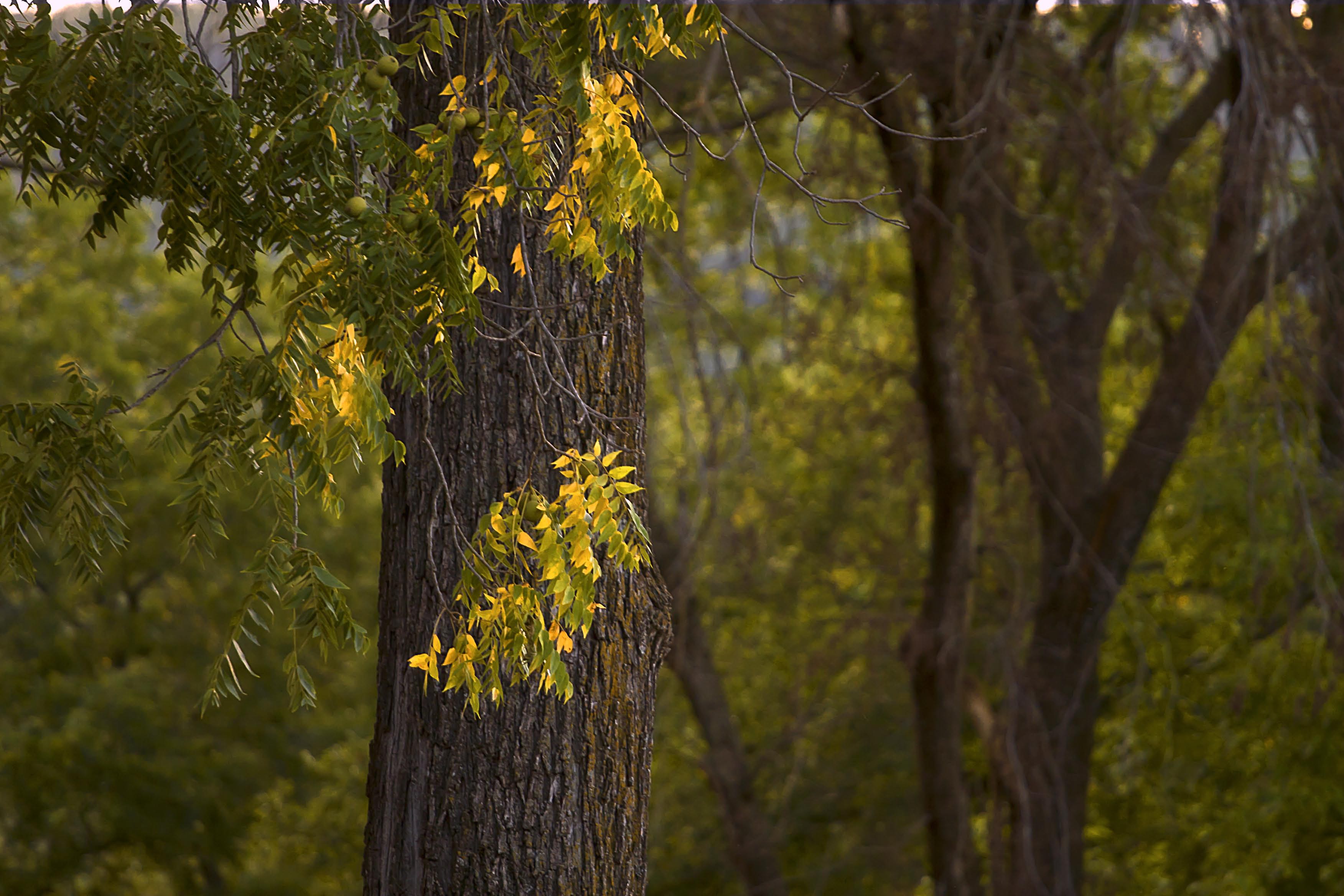
Black walnut trees (Carol Von Canon)
By Terry W. Johnson
I am a fan of the black walnut. In fact, I think so highly of it, some four decades ago my wife and I brought a black walnut sapling from her family home in Alabama to our Georgia home and planted it in our backyard. Since then we have been vainly awaiting the tree to produce its first crop of nuts.
But I had not given this much thought until this past fall. One day I stopped along a dirt road bordered by a hardwood forest to enjoy the golden yellow foliage of a black walnut tree. When I got out of my car, I found a dozen or so frost-covered black walnuts scattered beneath the tree: They were the first black walnuts I had seen in years.
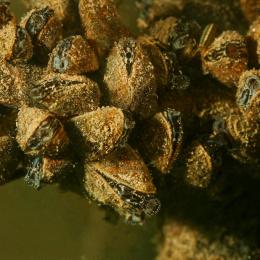
I am sure that many of the folks who had driven past them did not realize what they were. Each nut was encased in a nondescript blackish-brown, shriveled, leathery husk. They were definitely not something most people had ever seen.
If black walnuts did not taste so good, I doubt most people would ever attempt to open them. There is no simple way to tackle this task. The only method I have used is to scrape off the husk and expose the extremely hard nut. (A word of caution here: If you do not want to stain your hands, wear gloves when removing the husks.)
I then place the nut on a rock and pound it with a hammer. Once I crack the nut open, I use a nail or large needle to extract the tasty meat. Some of the other methods I have heard about range from squeezing the nuts in a vise to running over them with a car or truck.
Supposedly, black walnut meat is easier to remove from the shell if the cracked nuts are allowed to dry for a couple days.
The meat of the black walnut tree has the highest protein content of any tree-grown nut in the entire world. The meat is used to prepare countless mouth-watering dishes such as cakes, cupcakes, stuffing and coffee buns.
As for the hulls, they have been used to make dyes for cloth. In days long past, they were also employed as hair dye.
Black walnuts have long been used to also concoct folk medicines. This had led to research of the potential value of black walnuts to treat a variety of ailments such as digestive problems, high blood sugar levels and parasitic infections.
At one time, folks living in the Ozarks scattered black walnut leaves about their homes to thwart fleas and bedbugs.
Black walnut trees also provide some of the most highly- prized wood in the world. Much to the chagrin of Georgia tree farmers, the best black walnut timber is grown in the northern portions of the tree’s range. For example, the black walnut is rated as the most valuable tree grown in Missouri. In the Midwest, a single tree can demand a price of $20,000 or more.
With trees this valuable, poaching of black walnut trees is a problem. In one case, law enforcement officers used DNA testing to catch two poachers who illegally cut down a walnut tree valued at $28,000.
Black walnut’s rich, dark, beautifully patterned wood is used for a variety of purposes such as making gunstocks, fine furniture, flooring and veneers.
The tree is also a valuable wildlife plant, as well. Black walnut is the host plant for more than 100 species of butterflies and moths, including Luna, imperial and royal walnut moths and the banded hairstreak.
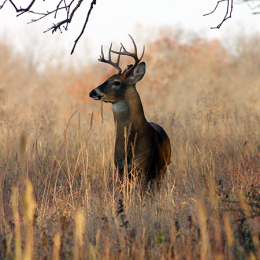
White-tailed deer will browse black walnut leaves. The nuts are eaten by many small mammals, including chipmunks and squirrels. Studies have found that black walnuts can comprise up to 10 percent of the fox squirrel’s diet.
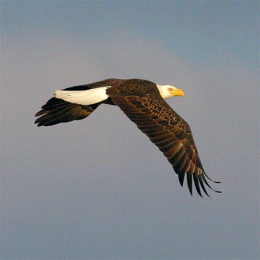
A number of birds eat bits and pieces of black walnut meats. It is a choice food of cardinals, Carolina chickadees, blue jays, brown-headed nuthatches, white-throated sparrows, tufted titmice, eastern towhees and downy, hairy and red-bellied woodpeckers.
Nowadays, this native tree seems to be most often found growing along the edges of woods, fields and roads, and sometimes at the remains of old home sites.
Black walnut trees produce something known as juglone. This chemical compound stunts or prevents the growth of many plants. Consequently, you will not find plants such as hydrangeas, blackberries or potatoes growing under the canopy of a black walnut tree.
The black walnut can live over 200 years and reach heights of 150 or more feet, though they average 70-80 feet tall. The largest black walnut growing in the U.S. is on Sauvie Island, Oregon. This giant has a diameter – the thickness straight across the center of the trunk – at breast height of 8 feet, 7 inches, and its uppermost branches are 112 feet above the ground. According to the Georgia Forestry Commission, Georgia’s largest black walnut tree is growing in Rabun County. This giant has a circumference – the total distance around the outside of the trunk – of 227 inches, or nearly 19 feet, and is 81 feet tall.
Black walnut trees are purported to produce nuts when they are as young as 20 years. The largest crops come when the trees are at least 30. Once they start bearing nuts, the tree produces large crops every other year.
My wife and I are still waiting for our first crop of black walnuts. In the meantime, if I have a hankering for a black walnut, I can always check The (Georgia) Farmers and Consumers Market Bulletin for shelled black walnuts, or even order them online.
Terry W. Johnson is a retired Georgia DNR program manager and wildlife biologists. Check out past columns, his Backyard Wildlife Connection blog and his book “A Journey of Discovery: Monroe County Outdoors.” Permission is required to reprint a column.