An official website of the State of Georgia.

Wildlife belongs in the wild. Don’t remove wildlife from its natural habitat!
Before you pick up or attempt to assist any wildlife, no matter its age or condition, remember that it is best to leave all wildlife, including young birds, bunnies, or fawns where they are found. Human intervention can often do more harm than good, according to the Georgia Department of Natural Resources’ Wildlife Resources Division (DNR WRD).
"We know you want to help. But sometimes the help we want to provide can do more harm than good,” explains Ben McCullar, wildlife biologist and program manager of the Georgia DNR WRD Urban Wildlife Program. “Wildlife, even at the earliest stages of life, rarely need help from humans. In fact, removing wildlife from their natural environment and bringing them into your home often reduces the animal’s ability to then survive in the wild, where they belong,”
The best thing people can do when they see wildlife of any age is to immediately move away and leave it exactly as they found it for 24-48 hours. If the animal is still there after this wait time, reach out to a local WRD office for guidance (GeorgiaWildlife.com/about/contact).
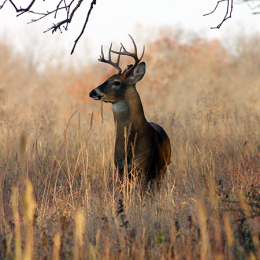
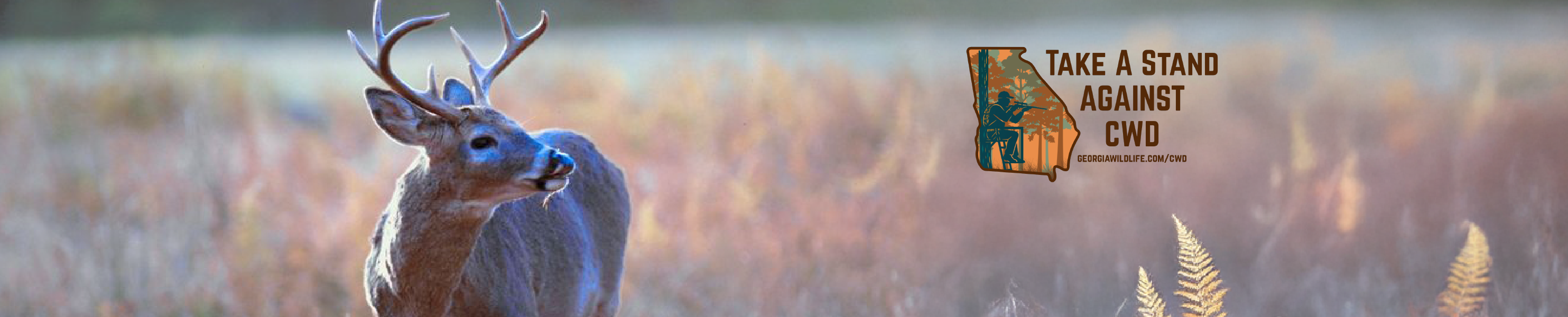
But what if the animal is “orphaned”? McCullar says that “While it may appear that a young animal is alone, the adult is usually close by even though you may not be able to see it. For species such as white-tailed deer, the adult will spend the first couple of weeks within hearing distance of their offspring. Although the new-born fawn may seem abandoned, it is not. Deer do this to reduce the risk of a predator finding their offspring."
Wildlife, especially young animals, demand a great deal of care and have specific nutritional requirements. If they are not cared for properly, they cannot be released or retain the ability to survive on their own. People who are not licensed and trained in wildlife rehabilitation should not attempt to care for wildlife. Georgia law prohibits the possession of most wildlife without a permit.
For more information, visit GeorgiaWildlife.com/living-with-wildlife.
###