An official website of the State of Georgia.

Do you enjoy Georgia’s wildlife and wild places?
This tax season, help native animals, plants and habitats survive and even thrive by contributing to the Georgia Wildlife Conservation Fund checkoff when you file your state income taxes.
No donation is too small and giving is easy. Just fill in an amount of $1 or more on line 32 of tax form 500.
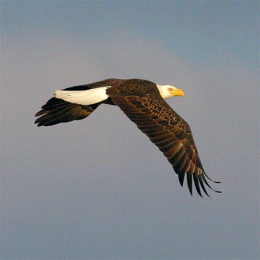
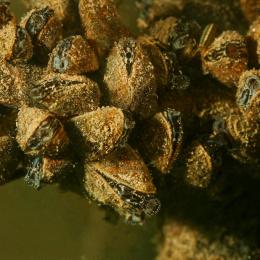
What’s often called the Give Wildlife a Chance income tax checkoff helps native species varying from bald eagles and gopher tortoises to endangered tricolored bats and Canby’s dropwort. Here’s how.
Conservation of Georgia’s nongame wildlife – native animals not legally fished for or hunted – plus rare native plants and natural habitats is supported largely by the state’s Nongame Wildlife Conservation Fund. The lifeblood of this fund, created by law to conserve nongame, is fundraising. The income tax checkoff has provided significant support since its creation in 1989.
Over the last 10 years, checkoff contributions averaged $287,000. Support topped $500,000 in 2024 before dipping to $404,818 last year, still above average and about 7 percent of fund revenues.
The impact of checkoff contributions also reaches beyond the total given. Donations boost the ability of DNR’s Wildlife Conservation Section to obtain and match grants. The agency receives up to $3 in grants for every $1 spent from the fund.
That means more support for research, survey and management projects that benefit Georgia wildlife, according to Wildlife Conservation Section Chief Matt Elliott.
“Contributions to the fund through the income tax checkoff are an essential part of our budget,” Elliott said. “Through their use in matching grants, they’re necessary for us to receive State Wildlife Grant and other federal funding that is critical to conservation.”
The checkoff has played a key role in many conservation successes. Examples include the recovery of bald eagles and helping keep gopher tortoises, Georgia’s state reptile, off the Endangered Species list.
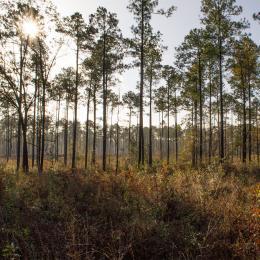
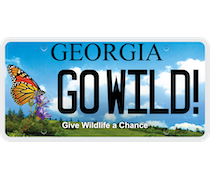
But there is much more work to be done. Georgia’s newly revised State Wildlife Action Plan, the guiding strategy for conserving wildlife and habitats before they become rarer and more costly to preserve, lists about 1,060 plants and animals in the state as species of greatest conservation need. The Wildlife Conservation Section, whose mission is conserving nongame, depends on fundraising. Much of that support comes from sources such as the sale and renewal of DNR eagle and monarch license plates and contributions through the wildlife income tax checkoff.
How can you help Georgia wildlife soar, swim and thrive this tax season? Check the checkoff!
LEARN MORE
- Online: georgiawildlife.com/donations
- Phone: Wildlife Conservation Section offices – Social Circle (770-761-3035), Forsyth (478-994-1438), Brunswick (912-264-7218)
- State tax forms and e-filing details: dor.georgia.gov/taxes
- Already filed? Give 24/7 at gooutdoorsgeorgia.com. Choose “Licenses and Permits” and log in or click “Go Outdoors Georgia Shop” and choose a donation option.
- See how contributions are put to work: georgiawildlife.com/conservation/annualreport