An official website of the State of Georgia.

Spring’s rising temperatures have snakes moving and Daniel Sollenberger’s phone ringing.
As state herpetologist for the Georgia Department of Natural Resources, Sollenberger is a go-to for answers about snakes. In the spring, most of the snake questions he fields are focused on two topics: What species is this and what should I do?
As for the first, seldom is the snake a venomous species, according to Sollenberger, a senior wildlife biologist with DNR’s Wildlife Conservation Section.
Whether it’s venomous or not is the worry underlying most of the questions. Chances are it’s not. Only seven of the 47 species native to Georgia are venomous and only one – the copperhead – usually thrives in suburban areas, which is where many Georgians live.
"With spring, a variety of wildlife species become active and visible in and around our homes, yards and gardens, including snakes,” Sollenberger said. “While seven of Georgia's snake species can be dangerously venomous to humans, the 40 other species are nonvenomous, completely harmless and actually protected by state law.”
Which leads to the second question: What should you do, or not do, if you see a snake?
Here’s Sollenberger’s advice:
- First, do not attempt to handle the snake. Give it the space it needs.
- If you want to try and identify it, do so from a distance. Resources such as georgiawildlife.com/georgiasnakes, which includes DNR’s “Venomous Snakes of Georgia” brochure, can help.
- Remember that snakes are predators that feed on small mammals, amphibians, insects and even other snakes. There is no need to fear nonvenomous snakes. Also, as noted, native nonvenomous species are protected by state law. One of those snakes, the eastern indigo, is even federally protected as threatened.
- If a clearly identified venomous snake is in an area where it represents a danger to people or pets, visit georgiawildlife.com/preventing-wildlife-conflicts for a list of private wildlife removal specialists. Many bites occur when a snake is cornered or captured and defending itself.
Nonvenomous snakes such as scarlet kingsnake, eastern hognose and watersnake species are frequently confused with their venomous counterparts – coral snakes, rattlesnakes and water moccasins, respectively. Although pit vipers, which include all venomous species native to Georgia except for coral snakes, are often identified by their broad, triangular-shaped heads, many nonvenomous snakes flatten their heads when threatened, which can make their heads appear triangular-shaped, according to Sollenberger. Also, some nonvenomous species have color patterns similar to venomous snakes.
The bottom line: While it’s likely not venomous, use caution around any unidentified snake.
“To keep yourself safe and allow our native wildlife to thrive,” Sollenberger said, “give all snakes the space they require and the ability to escape on their own."
For more on Georgia’s snakes, visit georgiawildlife.com/georgiasnakes. “Amphibians and Reptiles of Georgia” (University of Georgia Press) also provides a comprehensive reference.
Snake Insights
- Venomous vs. poisonous: Venom is a toxic substance. But a key difference when the terms are used to describe organisms is how the toxin is delivered. Venomous animals such as wasps, stingrays and some snakes inject theirs, respectively, by stinging, sticking and biting. Poisonous species (puffer fish is an example) deliver toxins passively, like when they’re eaten or through skin secretions when they are touched. Venomous snakes are venomous – not poisonous.
- Benefits: While some snakes eat rodents and even venomous snakes, others prey on creatures some Georgians may not want near their homes. Brown and red-bellied snakes, for example, feed on snails and slugs, the bane of gardeners. Crowned snake species primarily eat centipedes.
- Baby snakes? Species such as earth and brown snakes are small (usually less than 12 inches long) and homeowners sometimes mistake them as juveniles. The common concern here: Are the parents nearby? Some snake species are live-bearers and some are egg-layers. But most snakes do not exhibit parental care. If there are parents, they aren’t watching the kids.
- Prevention: To reduce the potential for snakes in your yard, remove habitat features such as brush, log and rock piles that can attract mice, lizards and other animals that snakes prey on.
Help Conserve Wildlife
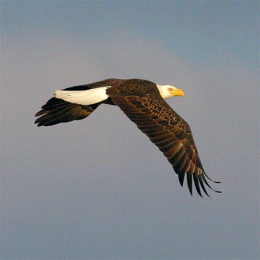
From eastern indigo snakes to bald eagles, DNR’s Wildlife Conservation Section works to conserve rare and other Georgia wildlife not legally fished for or hunted, as well as rare plants and natural habitats. The agency depends primarily on fundraisers, grants and contributions. That makes public support key.
Georgians can help by supporting the state’s Nongame Wildlife Conservation Fund. Here’s how:
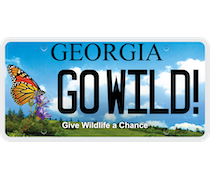
- Buy a DNR eagle or monarch butterfly license plate, or renew one of the older plate designs, including the hummingbird. Most of the fees are dedicated to wildlife. Upgrade to a wild tag for only $25!
- Donate at Go Outdoors Georgia. Either click “Go Outdoors Georgia Shop” and choose one of the five options to support the Georgia Wildlife Conservation Fund in amounts from $5 to $100, or select “Licenses and Permits” and log in (new customers can create an account). When buying a hunting or fishing license, there’s a round-up option to help wildlife.
- Contribute directly to the agency.
To see how your support helps wildlife, visit georgiawildlife.com/conservation/annualreport.