An official website of the State of Georgia.

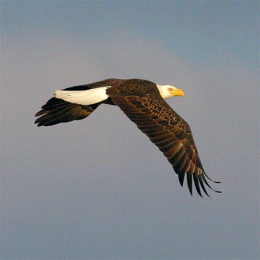
Georgia’s “Bird Island Rule” protects offshore islands, bars and spits critical to shorebirds and seabirds that use the small, open sites to nest, raise chicks, forage and find refuge. These birds are highly vulnerable in breeding season and when migrating. Even unintended disturbances by people or pets can cause scores of nests to fail and put migrations at risk.
The Bird Island Rule, passed in 1998 and updated in 2026, closes sites to people seasonally or year-round and to pets at all times. The latest changes added seasonal closures to three islands, removed one site and clarified that closures extend to the intertidal zone.
| Site | Closure Dates |
|---|---|
| Pets are banned at sites year-round | |
| Little Tybee Island Natural Area | Seasonal closures in areas marked by signs |
| Ogeechee Bar | Closed March 1-October 15 |
| St. Catherines Island Bar Natural Area | Closed year-round |
| Little Egg Island Bar Natural Area | Closed year-round |
| Brunswick Bird Island | Closed March 15-August 31 |
| Satilla River Marsh Island Natural Area | Closed year-round |
| Cumberland Dividings | Closed March 15-August 31 |
Bird Island Rule FAQ
- Why does Georgia need a Bird Island Rule?
- Hundreds of thousands of seabirds and shorebirds use the Georgia coast each year. Yet they do not use the coast uniformly: A relatively few places host most of these species during key parts of their annual life cycle.
- Many of these beach-nesting and migratory birds are priority species for conservation because they are rare or declining.
- During breeding season and migration, birds are highly vulnerable to disturbance from people and dogs.
- One person and one dog in the heat of the summer can cause thousands of nests to fail in a short period of time.
- Eggs and small chicks can quickly overheat in summer's high temperatures.
- Gulls, crows and other predators can take eggs and young when adult birds are scared away.
- What did the original Bird Island Rule do?
- Passed in 1998, the rule protected five sites with varying levels of protection. Some sites were completely closed, including Little Egg Island Bar, St. Catherines Island Bar and Satilla River Marsh Island. Others had more limited closures, such as Little Tybee Island (previously referred to as the Williamson Island portion) and Pelican Spit.
- Pets were not allowed year-round on all sites.
- Why was the Bird Island Rule updated?
- The 1998 version was a fixed rule in a dynamically changing environment. Some islands needed to be added and one had changed to the point it could be removed.
- Clarity was also needed about protecting sites with nesting colonies to the intertidal zone.
- What changes contributed to the updates?
- Natural islands shifted, grew and eroded.
- Pelican Spit has merged with Sea Island beach and no longer exists for nesting birds. It was removed from the rule.
- Ogeechee Bar, part of Ossabaw Natural Heritage Preserve, has become even more important for nesting seabirds and shorebirds and as a migratory stopover for federally threatened red knots.
- The U.S. Army Corps of Engineers created dredge spoil islands.
- Brunswick Bird Island: Created in 2007, this island has one of the largest seabird colonies in the Southeast and regularly hosts up to 10,000 nesting pairs.
- Cumberland Dividings: Created in 2024, this island hosts a small colony of rare seabirds, including least terns, black skimmers and gull-billed terns.
- Natural islands shifted, grew and eroded.
- What is DNR doing to inform coastal boaters?
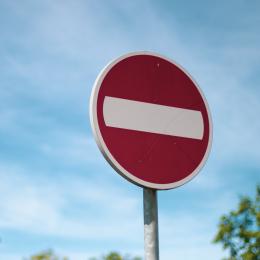
- The newly protected sites – Ogeechee Bar, Brunswick Bird Island and Cumberland Dividings – are being marked with in-water buoys and other signs alerting the public to the closures.
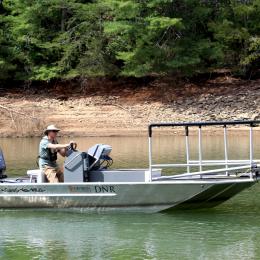
- DNR game wardens are monitoring compliance.
- Where can I read the rule?
The rule is listed as Protected Wildlife Habitats on the state's Rules and Regulations website.